

Overview
Massage appointments are available in 60, 90, and 120 minute sessions. All massage sessions include aromatherapy and cupping at no additional cost.
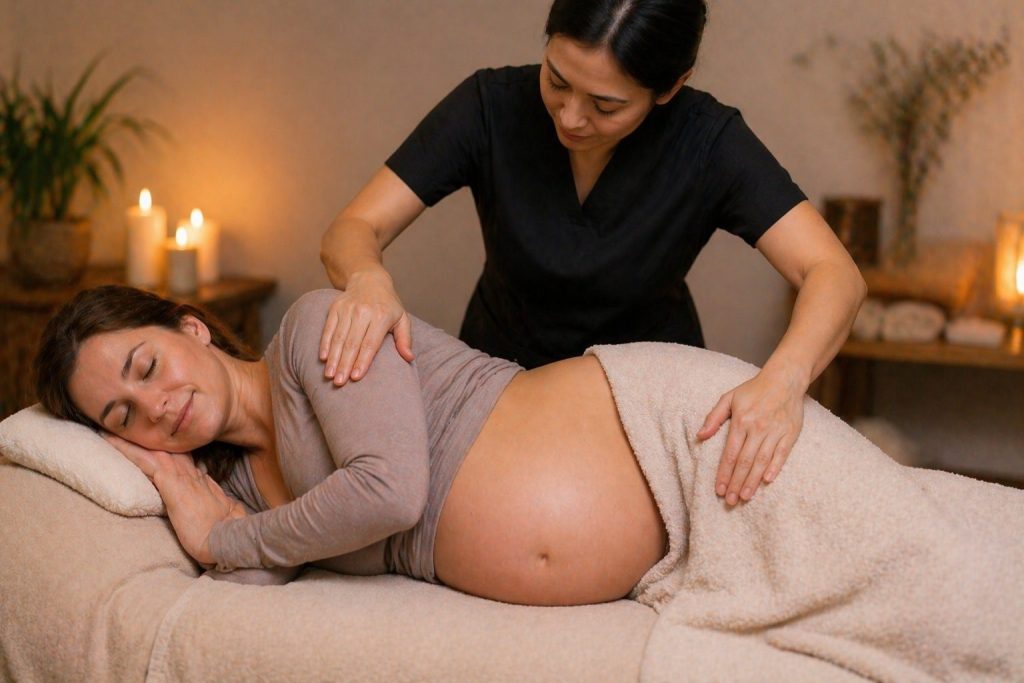
Prenatal Massage is a gentle, soothing treatment designed to support expectant mothers through the physical changes of pregnancy. This massage helps relieve common discomforts like back pain, leg cramps, and swelling, while promoting relaxation and improving circulation. Tailored to each trimester, prenatal massage helps reduce stress, improve sleep, and enhance overall well-being during pregnancy.
Postnatal Massage is a therapeutic treatment designed to support new mothers in their recovery after childbirth. This massage focuses on relieving muscle tension, improving circulation, and aiding the healing of tissues affected by pregnancy and delivery. It also promotes relaxation, reduces stress, and helps restore pelvic floor health, providing essential self-care for new mothers during this transformative time.
We understand that each individual is unique, and our massages are customized to your specific needs. Since pressure preferences can vary and be very subjective, we encourage you to communicate openly with your licensed massage therapist throughout the session. Please advocate for yourself and let us know if adjustments are needed. This is your time, and we want to ensure that your appointment is as effective and comfortable as possible. Let’s work together to create the best experience for you.
Benefits
What this service does for your body, mind and routine.
Prenatal massage therapeutic benefits for expectant mothers, supporting both physical and emotional well-being. It can help alleviate common pregnancy-related discomforts, including musculoskeletal pain, back and hip pain, and leg swelling, by improving circulation and relieving muscle tension. Prenatal massage also promotes better posture and alignment, which can be affected by the physical changes during pregnancy. Additionally, the treatment reduces stress and anxiety, fostering relaxation and enhancing sleep quality. By addressing both the physical strain and emotional stress of pregnancy, prenatal massage helps support overall health and comfort throughout the prenatal period.
Postnatal massage provides numerous benefits for new mothers, supporting the body’s recovery after childbirth. It helps alleviate muscle tension, particularly in the back, shoulders, and neck, which can become strained from labor and caring for a newborn. The massage also promotes improved circulation, reduces swelling, and aids in the healing of tissues that may have been stretched or weakened during pregnancy and delivery. Additionally, postnatal massage supports pelvic floor recovery and enhances overall mobility. Beyond physical benefits, it also promotes relaxation, reduces stress, and helps restore emotional balance, providing essential self-care during the postpartum period.
Frequently Asked Questions
Quick answers to the questions we hear most often.
Your licensed massage therapist is trained in prenatal massage techniques and will use proper draping and positioning to ensure your comfort and safety. They will adjust pressure and avoid certain areas, such as the abdomen, and will monitor your comfort throughout the session. Communication is key, so feel free to express any concerns or adjustments needed.
Certain conditions, such as preterm labor, high blood pressure, gestational diabetes, or any complications during pregnancy, may require you to avoid prenatal massage. Always consult your doctor before receiving a massage if you have any health concerns or complications.
The frequency of prenatal massage can vary depending on your comfort level and the stage of your pregnancy. Many women find that a massage every two to four weeks is beneficial during the second trimester, with more frequent sessions as the due date approaches to relieve increased tension and stress.
Yes, prenatal massage can help reduce swelling and fluid retention by improving circulation and encouraging lymphatic drainage, especially in the legs and feet. Your therapist will use gentle techniques to help alleviate these discomforts.
Absolutely. Prenatal massage is particularly effective for relieving back pain, especially in the lower back and hips, which can be affected by the weight of the growing baby and changes in posture. The therapist will focus on releasing muscle tension and promoting better alignment to reduce discomfort.
Most women can begin postnatal massage after they have received approval from their healthcare provider, usually around 6 to 8 weeks postpartum. If you've had a cesarean section or experienced any complications during delivery, your doctor may advise waiting longer.
Postnatal massage helps to accelerate the recovery process by improving circulation, reducing swelling, and addressing muscle tension caused by pregnancy and labor. It also supports pelvic floor recovery and helps to realign the body after the physical strain of childbirth. Additionally, it promotes relaxation and stress relief during the postpartum period.
Yes, postnatal massage can help alleviate tension in the shoulders, neck, and upper back, which are common areas of discomfort for new mothers, especially those who are breastfeeding. The therapist may also work on the arms and hands to relieve tightness caused by holding and feeding your baby.
The frequency of postnatal massage can vary depending on your recovery needs and comfort level. Many women find that regular sessions, such as once every two weeks, are beneficial in the first few months postpartum to relieve tension and support recovery. Your therapist will work with you to create a plan based on your individual needs.
Yes, postnatal massage has a calming effect on the nervous system and can help reduce stress and anxiety. The emotional transition to motherhood can be challenging, and taking time for self-care through massage can provide emotional support, improve mood, and help with mental and physical relaxation.
Certain conditions, such as postpartum infections, deep vein thrombosis (DVT), or complications from cesarean delivery, may require you to avoid massage until cleared by your doctor. Always consult with your healthcare provider if you have concerns about your health before scheduling a postnatal massage.
It depends on the area being treated. For optimal results, we recommend wearing loose-fitting shorts and, for women, a sports bra during the myofascial session. This attire allows the licensed massage therapist to access areas of fascial restriction effectively. Depending on the area being treated, you may not need to remain clothed for the appointment, Please check with your licensed massage therapist before your massage, but your privacy will always be respected throughout the session. The licensed massage therapist will always step out of the room while you are getting on the massage table. They will knock and wait for your acknowledgement before re-entering the room to begin the session. This procedure is in place to respect your personal space and maintain a professional environment throughout the appointment.
We prioritize your comfort, privacy, and dignity at all times during your session. Draping is a technique in which sheets are strategically placed to cover the areas of your body that are not being worked on. Only the specific areas being treated are uncovered, and they will be draped again immediately after each part of the body is worked on. This ensures that your modesty is preserved while allowing the therapist access to the necessary areas for treatment. You are always in control of how much you choose to uncover, and the therapist will communicate with you to ensure that you feel comfortable and respected throughout the session.
We ask that all clients be mindful of personal hygiene prior to their appointment to ensure a comfortable experience for both you and your therapist. Please refrain from smoking or using substances that may leave a strong odor on your body or clothing before your session. We also request that heavy perfume or cologne not be worn, as fragrances can be disruptive for others in the clinic environment.
Tipping is never required, but it is always greatly appreciated.
Healing · Education · Recovery · Empowerment
Ready when you are — booking takes less than a minute.
Visit Meridian Ave Massage & Skin Clinic in Puyallup, Washington.