


Overview
Massage appointments are available in 60, 90, and 120 minute sessions. All massage sessions include aromatherapy and cupping at no additional cost.
Target deep muscle pain and eliminate tension at its source
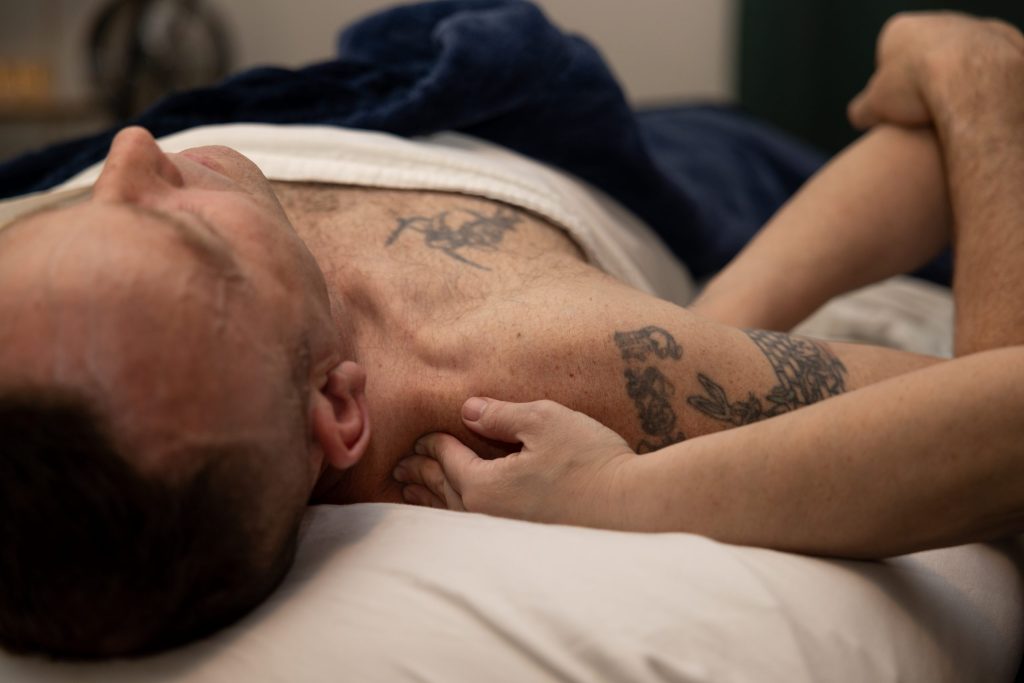
A therapeutic technique used to relieve pain and tension caused by trigger points—tight, contracted areas of muscle fibers that can cause localized pain and referred pain to other parts of the body. This method focuses on applying sustained pressure to these areas of muscle and fascia to release the knot, improve circulation, and restore normal muscle function. The goal is to reduce discomfort, improve range of motion, and promote overall muscle relaxation. Trigger point therapy is commonly used to treat conditions like chronic muscle pain, headaches, and tension from stress or injury.
We understand that each individual is unique, and our massages are customized to your specific needs. Since pressure preferences can vary and be very subjective, we encourage you to communicate openly with your licensed massage therapist throughout the session. Please advocate for yourself and let us know if adjustments are needed. This is your time, and we want to ensure that your appointment is as effective and comfortable as possible. Let’s work together to create the best experience for you.
Benefits
What this service does for your body, mind and routine.
The combined approach of Trigger Point Therapy, Structural Integration, and Fascia Release offers profound benefits by addressing muscle dysfunction, fascial restrictions, and overall postural alignment. Each modality works in a unique way, targeting different structures in the body, but together they promote holistic healing, pain relief, and improved function.
Trigger Point Therapy scroll over drop down specifically targets hyperirritable spots in the muscles known as trigger points. These points are often caused by muscle overuse, poor posture, or injury, and can lead to localized pain or referred pain, where the pain is felt in areas distant from the trigger point. By applying sustained pressure to these areas, the therapist helps to release the contraction in the muscle fibers, improving blood circulation and reducing muscle stiffness. This relieves pain, restores normal muscle function, and increases flexibility, allowing for a better range of motion and reduced discomfort. Essentially, trigger point therapy helps break the cycle of chronic pain and muscle tension.
Structural Integration scroll over drop down works by addressing the body’s overall alignment and posture, which directly impacts the function of muscles, joints, and fascia. The therapist uses manual techniques to release fascial restrictions and realign the body’s musculoskeletal structure. Fascia, the connective tissue that surrounds and supports muscles, bones, and organs, plays a critical role in movement and posture. When fascia becomes tight or misaligned due to injury, poor posture, or repetitive movement, it can restrict range of motion, contribute to poor posture, and cause joint strain. By releasing these fascial adhesions, Structural Integration helps restore balance, reduce stress on the body, and improve overall movement patterns. This realignment not only addresses pain caused by misalignment but also enhances posture, helping to prevent further injury and discomfort.
Fascia Release scroll over drop down specifically focuses on releasing restrictions in the fascia, a complex web of connective tissue that runs throughout the entire body. When fascia becomes tight or adherent—due to trauma, chronic tension, or poor posture—it can impair fluid movement between tissues, limit flexibility, and restrict joint mobility. Fascia Release techniques help to stretch and soften the fascia, restoring its natural elasticity and allowing muscles to move more freely. This improves circulation, reduces muscle stiffness, and enhances overall tissue health. It also aids in lymphatic drainage, helping to remove metabolic waste products from tissues and promoting healing. By releasing fascial tension, the body becomes more mobile, flexible, and resilient, which is critical for preventing chronic pain, enhancing athletic performance, and recovering from injury.
Under Fascia Release tab Together, these modalities address multiple layers of the body’s soft tissues: muscles, fascia, and the structural framework. By improving fascial flexibility, releasing muscle tension, and restoring proper alignment, they help the body move more efficiently, reduce the risk of injury, and alleviate chronic pain. This integrated approach supports the body’s natural healing processes, improves overall posture, and optimizes movement patterns, leading to improved quality of life and better long-term musculoskeletal health.
Frequently Asked Questions
Quick answers to the questions we hear most often.
A therapeutic approach that focuses on improving the alignment, posture, and function of the body by working with the fascia—the connective tissue that surrounds and supports muscles, bones, and organs. Developed by Dr. Ida Rolf in the 1950s, this method is often referred to as Rolfing and aims to balance and reorganize the body’s structure to improve movement patterns, reduce pain, and promote overall physical well-being. Structural Integration typically involves a series of sessions where the therapist uses hands-on techniques to release restrictions in the fascia, realign the body, and restore balance. The goal is to correct postural imbalances and address chronic muscle tension, which can lead to pain, stiffness, and restricted movement. By targeting both superficial and deep layers of fascia, structural integration helps the body move more freely, efficiently, and without discomfort.
Fascia is a dense, connective tissue that surrounds and supports muscles, bones, organs, and nerves, providing structural integrity and facilitating movement. Composed of collagen and elastin fibers, fascia is both strong and flexible, playing a key role in force transmission, fluid movement, and even cellular communication. It is classified into three types: superficial fascia (under the skin), deep fascia (surrounding muscles and joints), and visceral fascia (enclosing organs). Scientists are only beginning to understand the full complexity of fascia and its integral role in the body. Once seen as a mere structural component, fascia is now recognized as a dynamic, interconnected system that influences movement, posture, and overall health. As a continuous network, fascia links various structures, helping to maintain body integrity and fluidity of movement. Restrictions or tension within the fascia can lead to pain, stiffness, and impaired mobility, which is why therapies like myofascial release are increasingly used to restore balance, improve function, and support recovery.
Direct access to the treatment area is required. When clinically appropriate, the therapist may request that a specific garment be removed or repositioned to allow safe and effective treatment. This will always be discussed in advance, done with your consent, and professional draping will be maintained throughout the session.
We prioritize your comfort, privacy, and dignity at all times during your session. Draping is a technique in which sheets are strategically placed to cover the areas of your body that are not being worked on. Only the specific areas being treated are uncovered, and they will be draped again immediately after each part of the body is worked on. This ensures that your modesty is preserved while allowing the therapist access to the necessary areas for treatment. You are always in control of how much you choose to uncover, and the therapist will communicate with you to ensure that you feel comfortable and respected throughout the session.
We ask that all clients be mindful of personal hygiene prior to their appointment to ensure a comfortable experience for both you and your therapist. Please refrain from smoking or using substances that may leave a strong odor on your body or clothing before your session. We also request that heavy perfume or cologne not be worn, as fragrances can be disruptive for others in the clinic environment.
Tipping is never required, but it is always greatly appreciated.
Healing · Education · Recovery · Empowerment
Ready when you are — booking takes less than a minute.
Visit Meridian Ave Massage & Skin Clinic in Puyallup, Washington.