
CST is effective in relieving chronic pain conditions such as tension headaches, migraines, neck pain, lower back pain, and temporomandibular joint (TMJ) dysfunction.



A personalized approach, designed around how you want to feel.
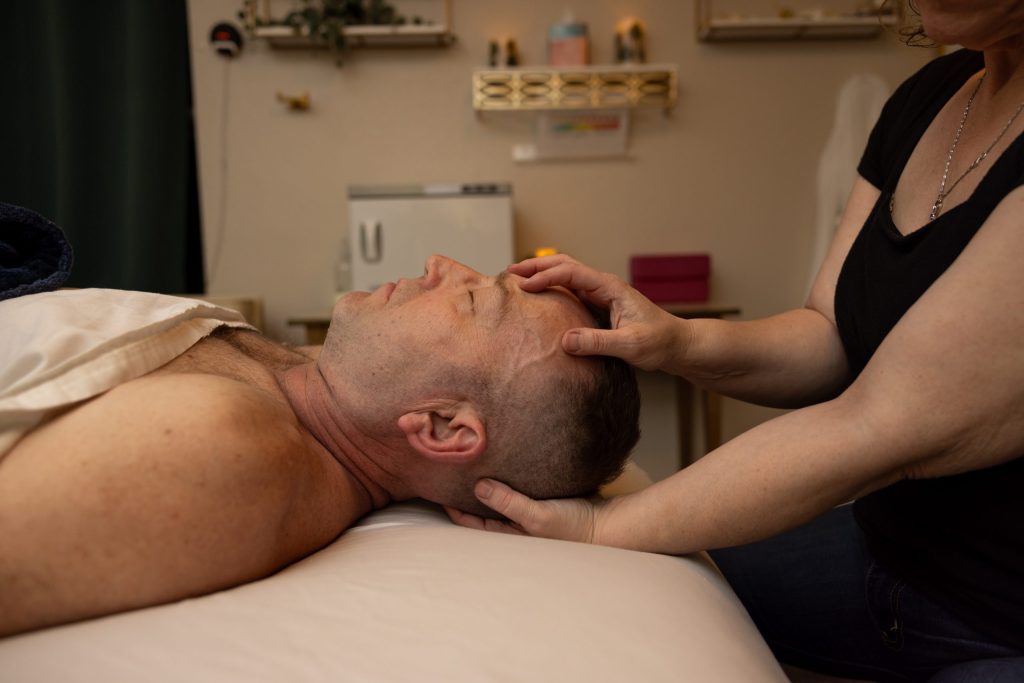
CranioSacral Therapy (CST) is a gentle, light-touch manual therapy that evaluates and supports the craniosacral system—the membranes and cerebrospinal fluid that surround and protect the brain and spinal cord. Using subtle palpation, the practitioner assesses the craniosacral rhythm and tissue mobility to identify areas of restriction and help facilitate release.
Although CST focuses on the craniosacral system, it is often applied as a full-body treatment because restrictions can be reflected through the fascial network throughout the body. CST is commonly used to support nervous system regulation, reduce pain patterns linked to protective tension, and improve overall function. Sessions are typically calm and precise, making CST appropriate for many people who prefer a non-forceful, clinical approach to care.
This non-invasive therapy can help alleviate pain, stress, and improve overall well-being.
"All of our massage services include a complimentary upgrade with Aromatherapy designed to enhance your experience and promote healing.”
We understand that each individual is unique, and our massages are customized to your specific needs. Since pressure preferences can vary and be very subjective, we encourage you to communicate openly with your licensed massage therapist throughout the session. Please advocate for yourself and let us know if adjustments are needed. This is your time, and we want to ensure that your appointment is as effective and comfortable as possible. Let’s work together to create the best experience for you."
What this service does for your body, mind and routine.
Craniosacral Therapy (CST) is a gentle, hands-on technique that aims to optimize the function of the central nervous system by addressing restrictions in the craniosacral system — the membranes and fluid surrounding the brain and spinal cord. The medical benefits of CST include:
Craniosacral Therapy is a safe, non-invasive treatment with broad applications for improving both physical and emotional health, supporting the body’s innate ability to heal itself.
CST is effective in relieving chronic pain conditions such as tension headaches, migraines, neck pain, lower back pain, and temporomandibular joint (TMJ) dysfunction.
By improving the flow of cerebrospinal fluid and releasing restrictions, CST can help reduce inflammation, which may be beneficial for conditions like fibromyalgia and chronic pain syndromes.
CST supports the parasympathetic nervous system, promoting a state of deep relaxation and reducing the physiological effects of stress, anxiety, and emotional trauma.
CST helps release fascial restrictions and improve joint mobility, making it beneficial for musculoskeletal conditions and post-injury recovery.
The technique improves blood and cerebrospinal fluid circulation, which can aid in tissue healing, reduce swelling, and promote overall physiological function.
By reducing tension and stress, CST can regulate the autonomic nervous system, which may improve sleep patterns and address insomnia.
CST supports the optimal function of the central nervous system, helping to enhance mental clarity, concentration, and cognitive function.
CST is effective for addressing the physiological effects of emotional and physical trauma, such as post-traumatic stress disorder (PTSD), through its calming influence on the nervous system.
Quick answers to the questions we hear most often.
Yes, For optimal results, we recommend wearing loose-fitting clothes and removing your shoes.
We ask that all clients be mindful of personal hygiene prior to their appointment to ensure a comfortable experience for both you and your therapist. Please refrain from smoking or using substances that may leave a strong odor on your body or clothing before your session. We also request that heavy perfume or cologne not be worn, as fragrances can be disruptive for others in the clinic environment.
Tipping is never required, but it is always greatly appreciated. If you feel your therapist provided exceptional service, you are welcome to leave a tip as a gesture of appreciation. Your therapist’s goal is to ensure you have a relaxing and therapeutic experience, and any gratuity is a kind acknowledgment of their work.
CST uses light touch to assess and release tension within the craniosacral system. By applying gentle pressure, the therapist helps to alleviate restrictions in the fascia and connective tissues, improving the flow of cerebrospinal fluid and restoring proper functioning to the central nervous system. The therapist uses an extremely light touch (often taught as about 5 grams of pressure—roughly the weight of a nickel) to “listen” for subtle motion and tension patterns. A key assessment tool is the craniosacral rhythm (a subtle, palpable rhythm Upledger-trained practitioners use to evaluate balance and restriction). When restrictions or tension patterns are detected, the therapist applies gentle manual techniques intended to help release those restrictions and reduce “tensions deep in the body,” with the goal of relieving pain and dysfunction and supporting whole-body health and performance. Clinically, many people experience CST as calming and regulating because the work is centered on the tissues that interface with the central nervous system, and the session is designed to be non-forceful and precise.
CST can help with a variety of conditions, including chronic pain (e.g., headaches, migraines, neck and back pain), stress and anxiety, TMJ disorders, sleep disturbances, fibromyalgia, post-traumatic stress disorder (PTSD), and emotional trauma. It is also used to promote overall wellness and healing after injury or surgery.
The number of sessions depends on your specific needs and condition. Some people experience significant relief after just one session, while others may require multiple visits to address chronic issues. Your therapist will provide guidance on the recommended frequency of treatment based on your individual response.
Craniosacral Therapy is considered safe for most individuals, including children, adults, and the elderly. However, it may not be appropriate for people with certain medical conditions, such as recent head injuries, fractures, or certain neurological disorders. Always consult with your healthcare provider before beginning any new therapy if you have concerns.
Craniosacral Therapy (CST) was developed by Dr. John Upledger, an osteopathic physician, in the 1970s. Dr. Upledger built upon the work of Dr. William Sutherland, an osteopath who discovered the subtle movement of the cranial bones and the craniosacral rhythm in the early 20th century. Dr. Sutherland’s observations led him to develop Cranial Osteopathy, which focused on the therapeutic manipulation of the skull and its surrounding tissues. Dr. Upledger, while working as a clinical researcher and professor at Michigan State University, further advanced the technique and founded Craniosacral Therapy. His work emphasized the role of the craniosacral system in maintaining overall health and addressing conditions beyond just cranial issues, including a wide range of musculoskeletal, neurological, and emotional disorders. Dr. Upledger’s contributions to CST have made it a widely recognized and practiced therapy today, with applications in many areas of physical and emotional health.
Ready when you are — booking takes less than a minute.
Visit Meridian Ave Massage & Skin Clinic in Puyallup, Washington.